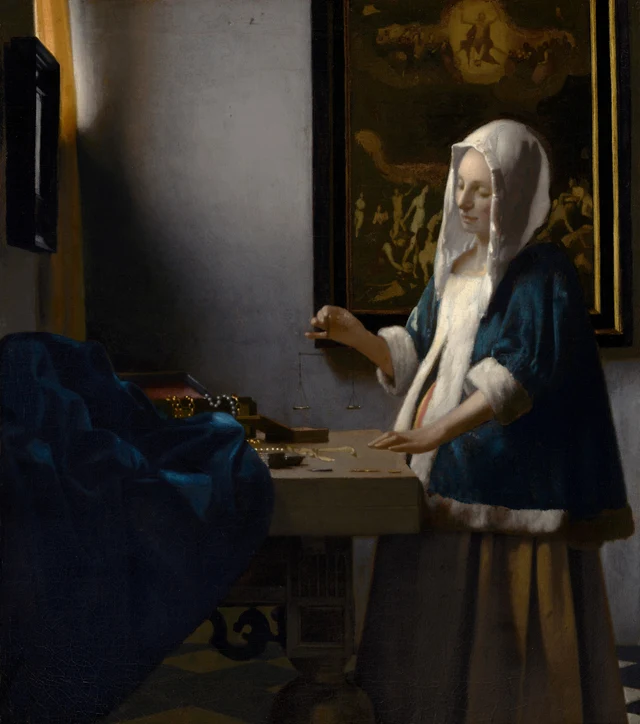
Johannes Vermeer · c. 1664
Vermeer’s Woman Holding a Balance
Two empty pans, jewelry on a table, a judgment behind her. Look again: this painting’s stillness has weight.
Read the essay →简 · 繁 · EN · 日本語 · FR · DE · ES · 한국어
NON DUBITO · Looking Closely at Art
Look at the work first. Then ask what moves us. Each essay begins with details, materials and the experience of looking, and can be read on its own.
Johannes Vermeer · c. 1664
Two empty pans, jewelry on a table, a judgment behind her. Look again: this painting’s stillness has weight.
Read the essay →简 · 繁 · EN · 日本語 · FR · DE · ES · 한국어
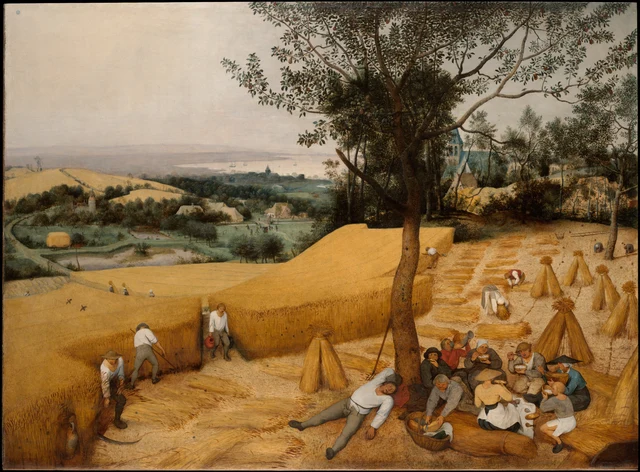
Pieter Bruegel the Elder · 1565
Some reap, some eat, one sleeps. A golden harvest holds more than a single human rhythm.
Read the essay →简 · 繁 · EN · 日本語 · FR · DE · ES · 한국어
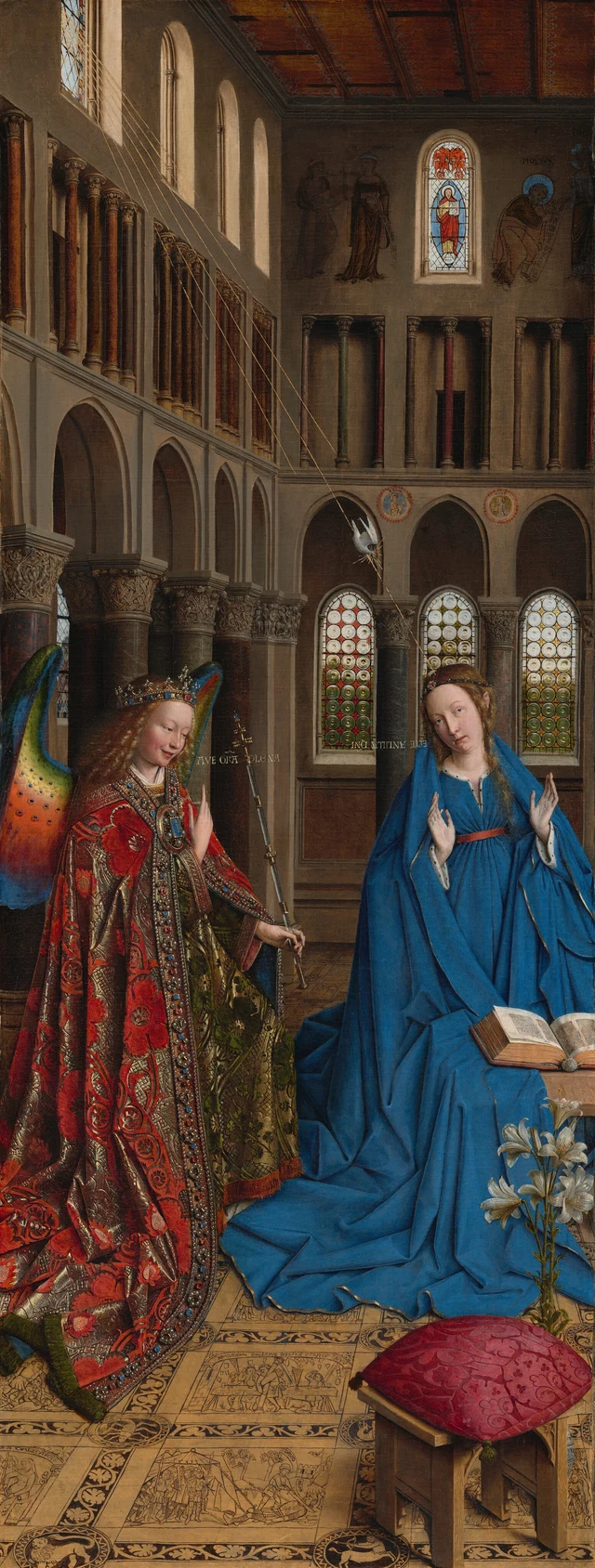
Jan van Eyck · c. 1434–1436
The angel’s words face us; Mary’s reply is inverted. Who gets to read this vividly material world?
Read the essay →简 · 繁 · EN · 日本語 · FR · DE · ES · 한국어
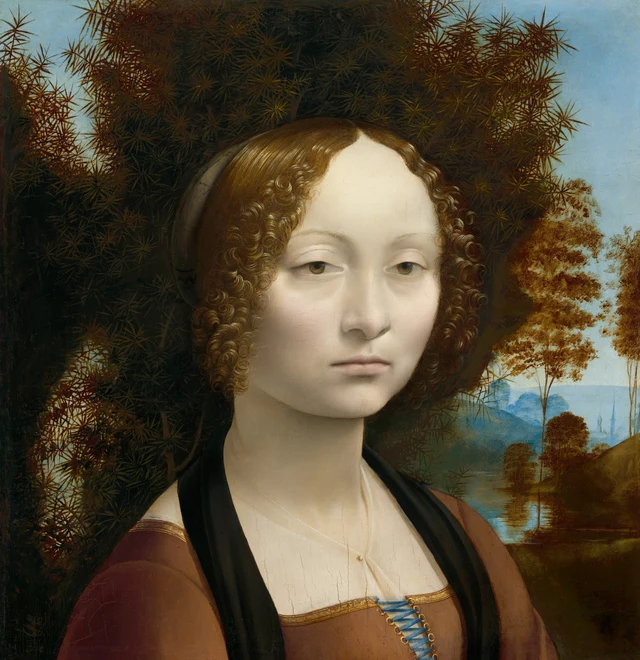
Leonardo da Vinci · c. 1474–1478
A face on one side, a tribute on the other. Turn this small panel over: can a name and praise stand in for a person?
Read the essay →简 · 繁 · EN · 日本語 · FR · DE · ES · 한국어
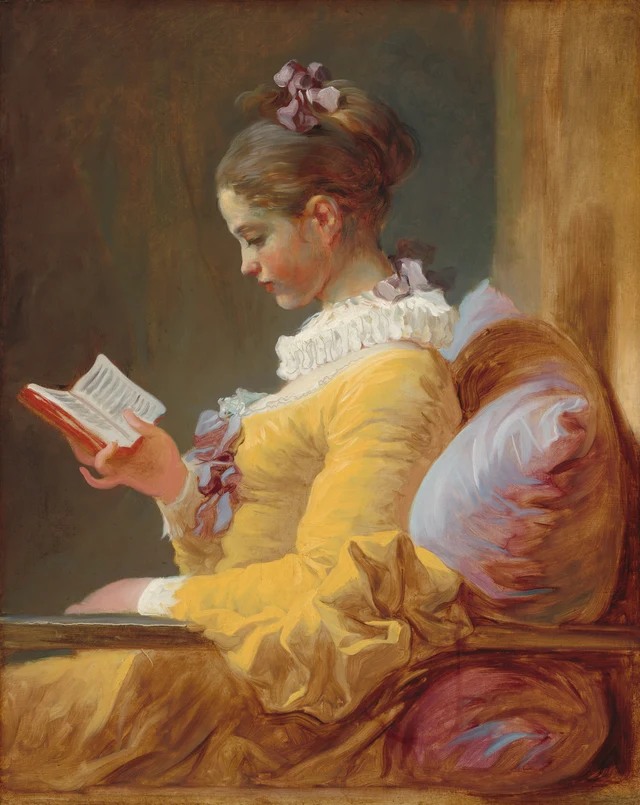
Jean Honoré Fragonard · c. 1769
We can see her reading, but cannot read the page. How do a yellow sleeve, a hand and a gaze make attention visible?
Read the essay →简 · 繁 · EN · 日本語 · FR · DE · ES · 한국어
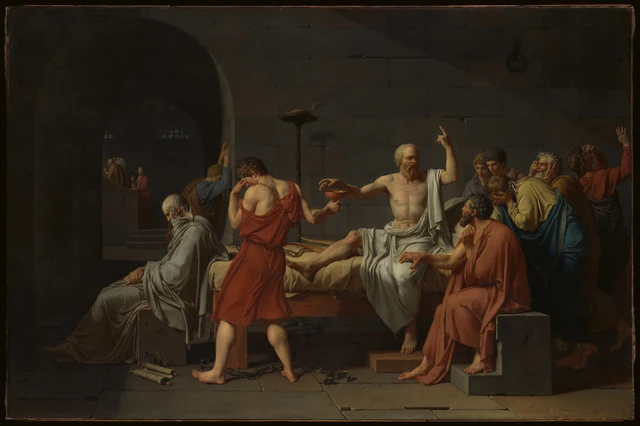
Jacques Louis David · 1787
The cup has not yet changed hands; the discussion is unfinished. Resolve, grief and later remembrance share one prison cell.
Read the essay →简 · 繁 · EN · 日本語 · FR · DE · ES · 한국어
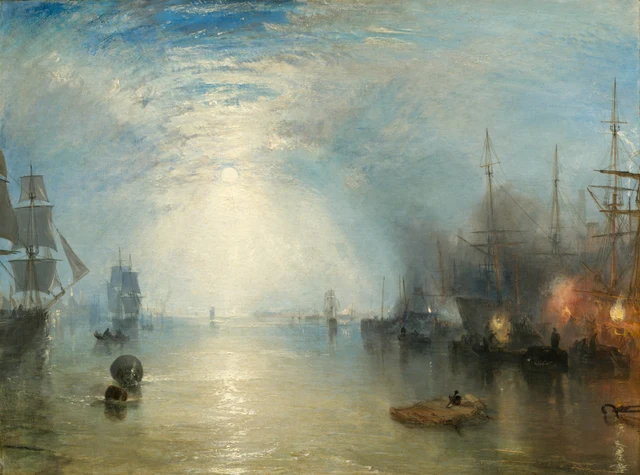
J. M. W. Turner · 1835
Moonlight makes a spectacle of the harbour; firelight reveals the coal workers. Brightness is not the same as seeing clearly.
Read the essay →简 · 繁 · EN · 日本語 · FR · DE · ES · 한국어
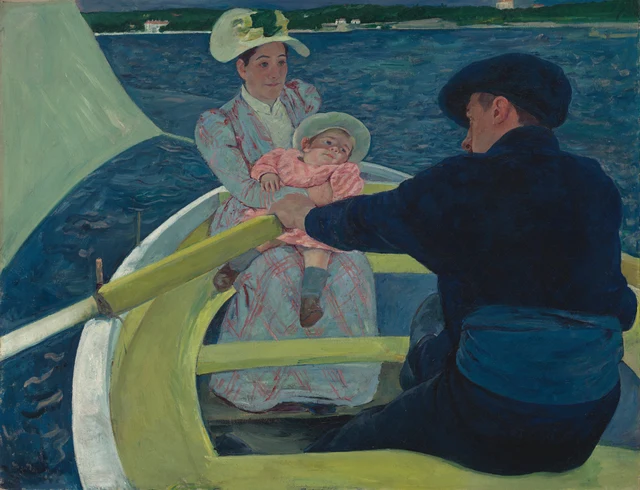
Mary Cassatt · 1893–1894
A dark-blue back blocks our view; an arm supports a child. A light-hearted outing depends on bodies sharing a small space.
Read the essay →简 · 繁 · EN · 日本語 · FR · DE · ES · 한국어
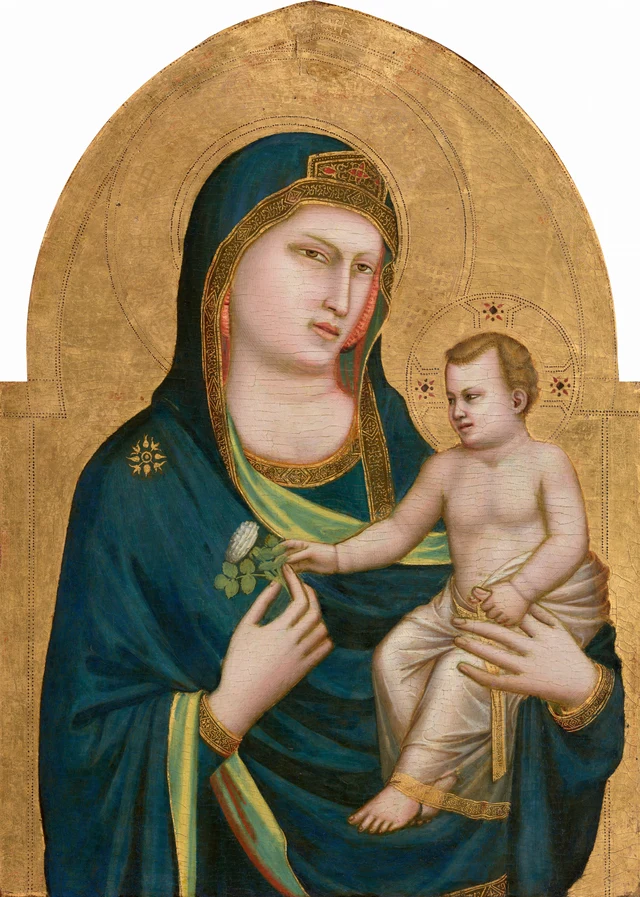
Giotto · c. 1310–1315
Gold halos face us; small fingers meet. How does a solemn sacred image make room for tangible intimacy?
Read the essay →简 · 繁 · EN · 日本語 · FR · DE · ES · 한국어
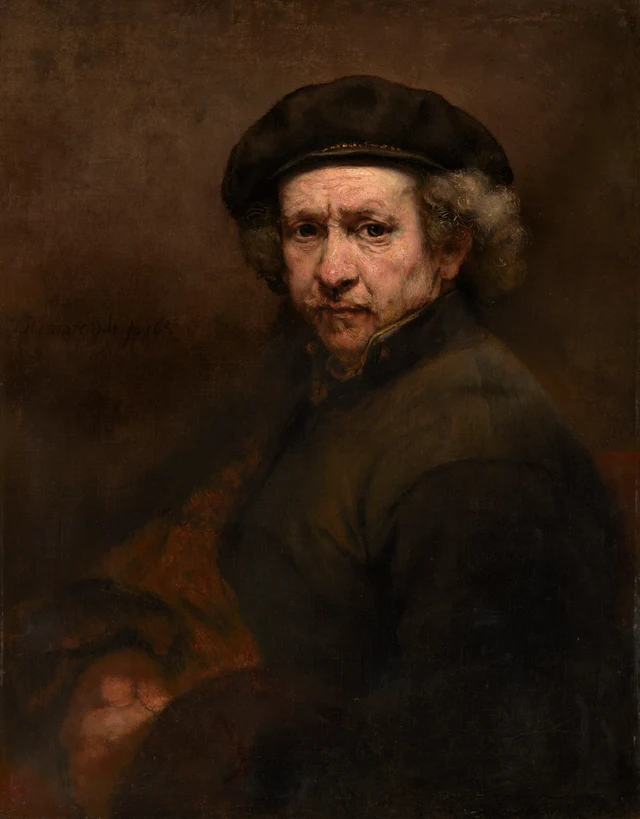
Rembrandt van Rijn · 1659
Paint builds a forehead, an underlying colour shades the eyes, and scratched lines curl into hair. A face is more than an illustration of tragedy.
Read the essay →简 · 繁 · EN · 日本語 · FR · DE · ES · 한국어
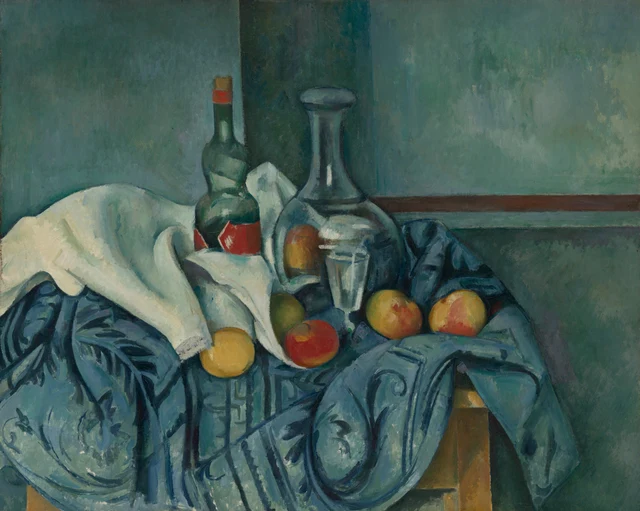
Paul Cézanne · c. 1893–1895
Once you have named the bottle, glass and fruit, look again: how does a colour change its work across different materials?
Read the essay →简 · 繁 · EN · 日本語 · FR · DE · ES · 한국어
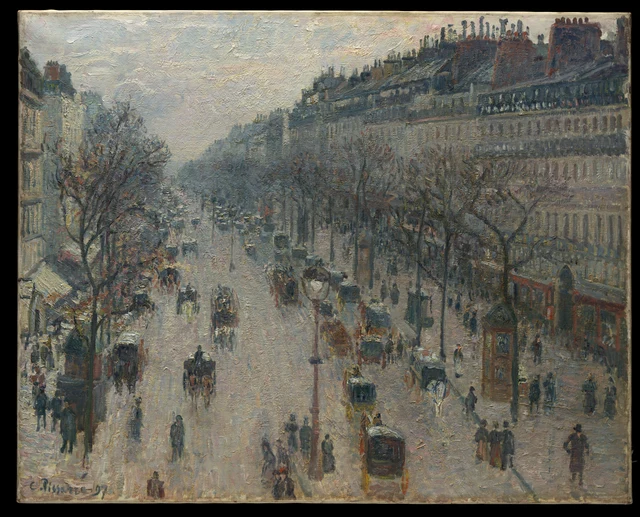
Camille Pissarro · 1897
The street recedes; carriages and people keep different rhythms. A fixed view from above makes a city move.
Read the essay →简 · 繁 · EN · 日本語 · FR · DE · ES · 한국어
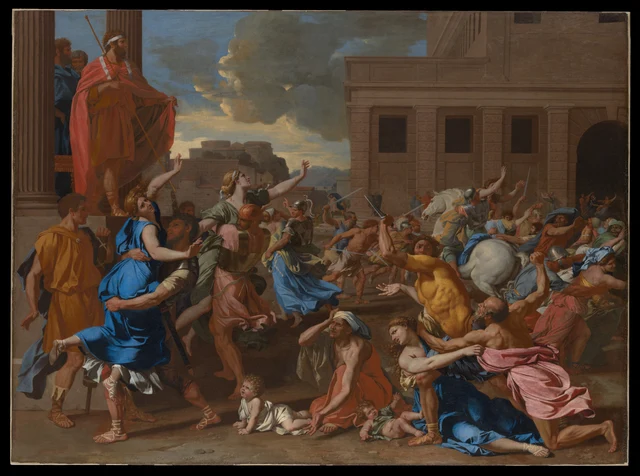
Nicolas Poussin · c. 1633–1634
Clear composition makes coercion and resistance harder to confuse. Can we admire pictorial order without forgetting what it orders?
Read the essay →简 · 繁 · EN · 日本語 · FR · DE · ES · 한국어
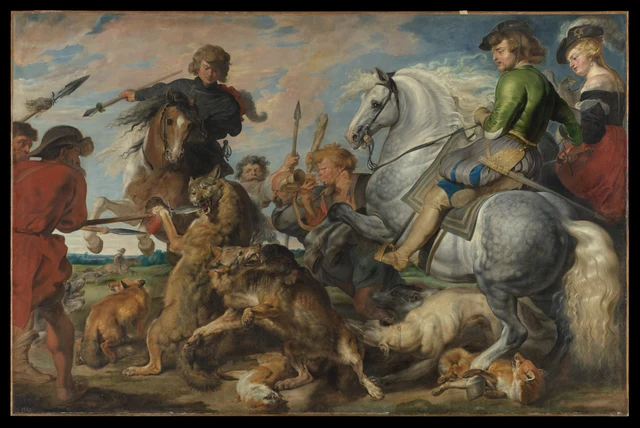
Peter Paul Rubens and Workshop · c. 1616
Spear shafts, a wolf’s jaws and horses’ hooves crowd together. Movement grows intense where force meets resistance.
Read the essay →简 · 繁 · EN · 日本語 · FR · DE · ES · 한국어
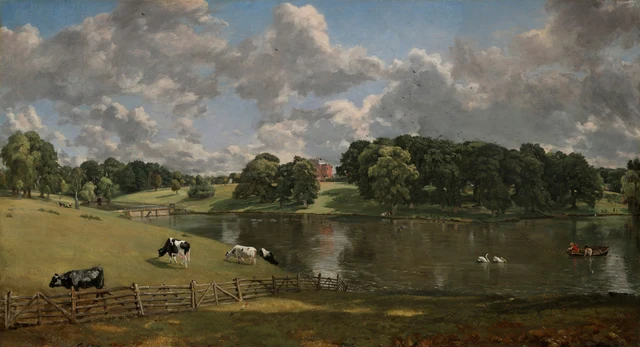
John Constable · 1816
An open sky, a distant house, a fence close at hand. How is a landscape that feels so natural arranged?
Read the essay →简 · 繁 · EN · 日本語 · FR · DE · ES · 한국어
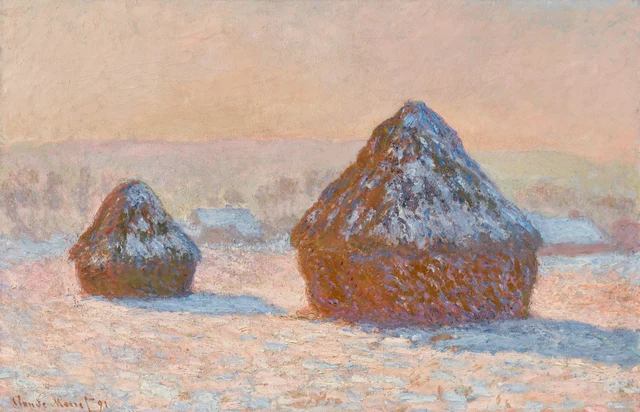
Claude Monet · 1891
One edge is sharp; another melts into the winter morning. Light separates the stack from its surroundings and crosses that boundary too.
Read the essay →简 · 繁 · EN · 日本語 · FR · DE · ES · 한국어
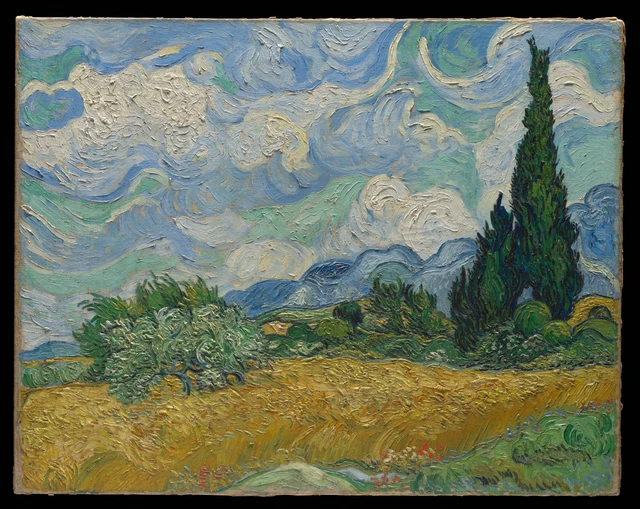
Vincent van Gogh · 1889
The landscape draws us toward distant hills; raised paint brings us back to the surface. Two kinds of distance share one canvas.
Read the essay →简 · 繁 · EN · 日本語 · FR · DE · ES · 한국어
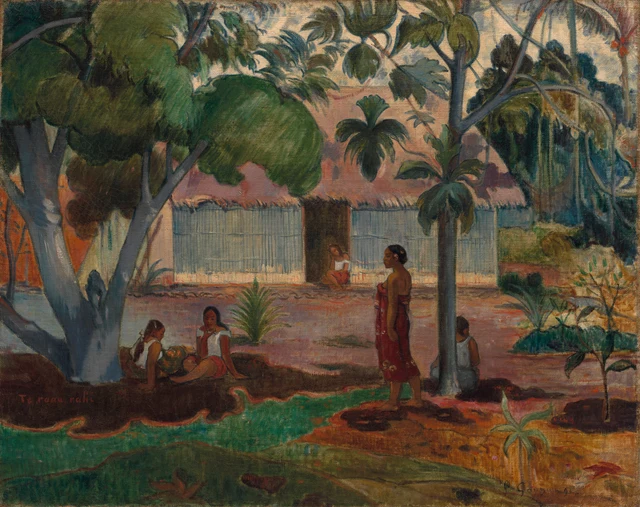
Paul Gauguin · 1891
A pink roof, a deep-green canopy, turquoise underfoot. Colour invites us to linger; it does not mean we already understand the people here.
Read the essay →简 · 繁 · EN · 日本語 · FR · DE · ES · 한국어
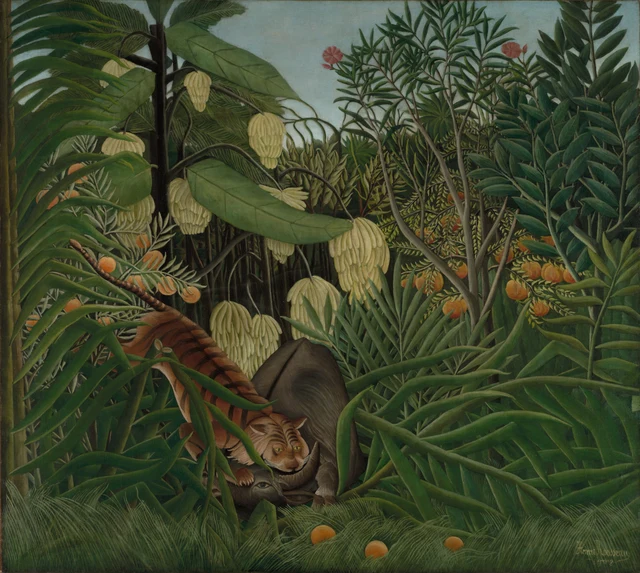
Henri Rousseau · 1908
Each leaf can be followed, yet the forest becomes harder to cross. Plants surround the struggle and decide how much of it we see.
Read the essay →简 · 繁 · EN · 日本語 · FR · DE · ES · 한국어
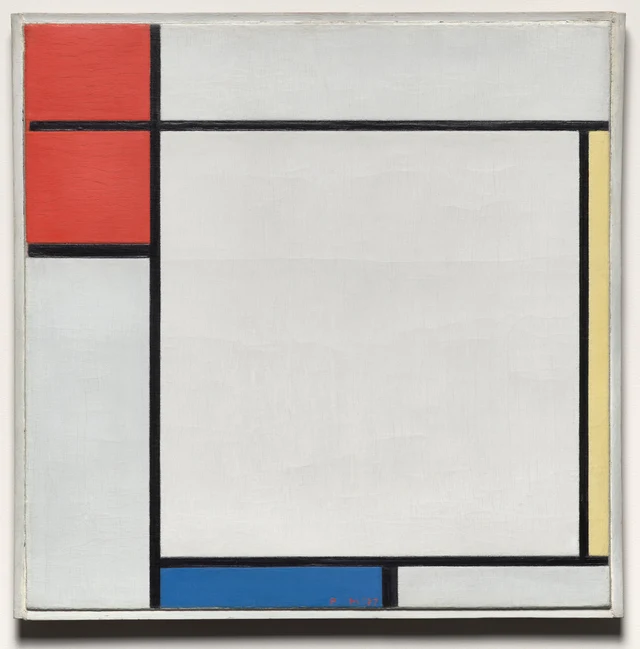
Piet Mondrian · 1927
White is not an empty background. Where a line stops and how much space a colour takes change the balance of the whole.
Read the essay →简 · 繁 · EN · 日本語 · FR · DE · ES · 한국어
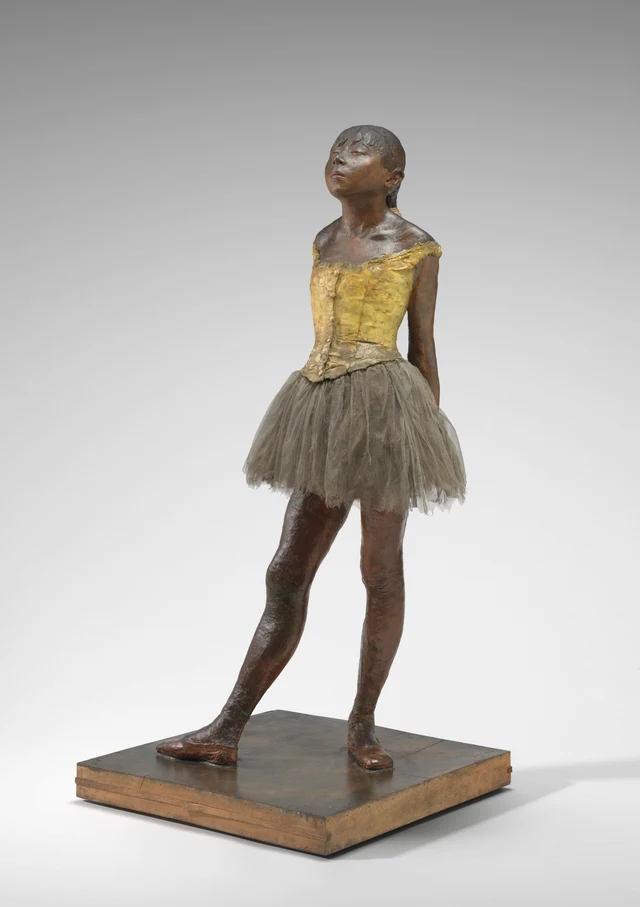
Edgar Degas · 1878–1881
She is not dancing, yet dance has shaped the way she stands. Walk around her and return: the hidden hands change what we see.
Read the essay →简 · 繁 · EN · 日本語 · FR · DE · ES · 한국어
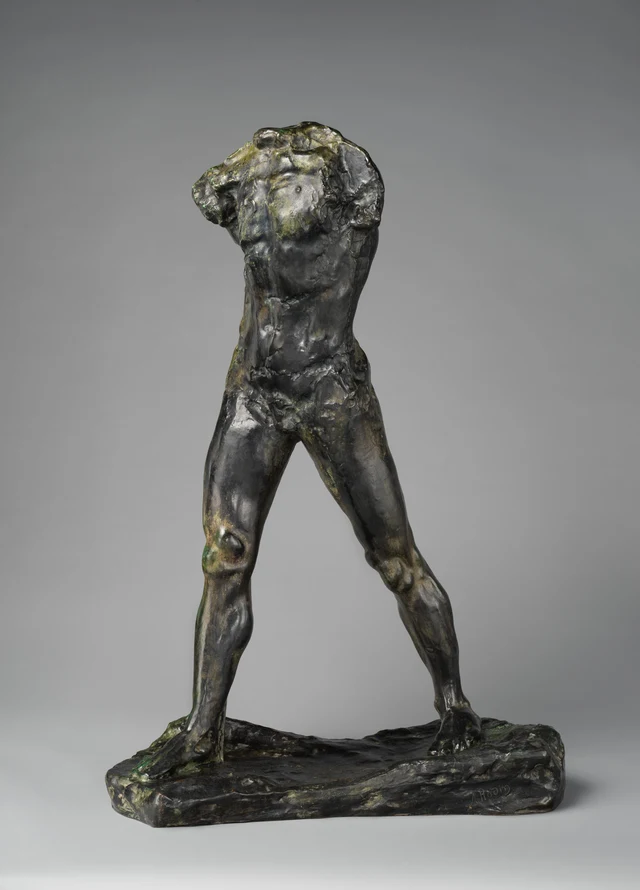
Auguste Rodin · Before 1900 / before 1914
No head, no arms—yet the step continues. Follow the torso, hips and legs to see how an assembled body begins to walk.
Read the essay →简 · 繁 · EN · 日本語 · FR · DE · ES · 한국어
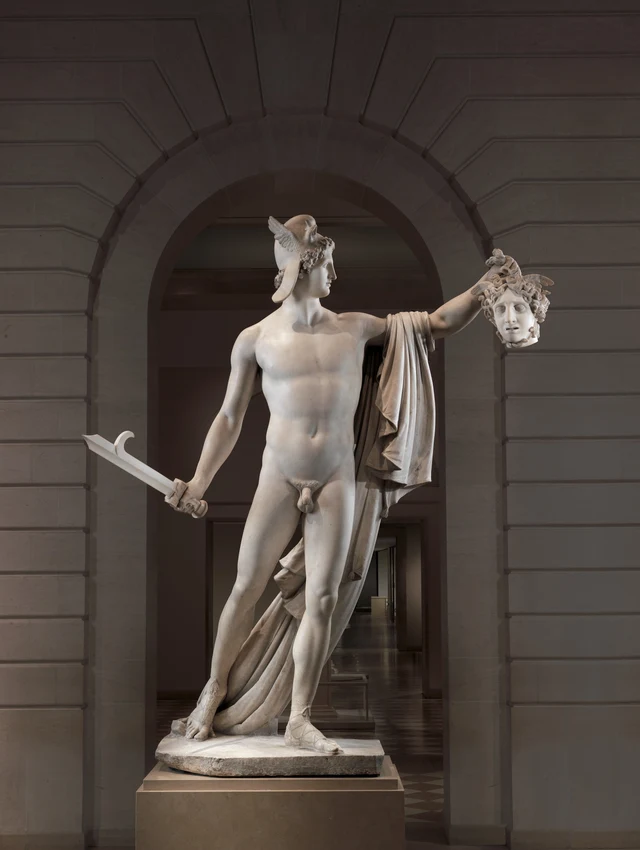
Antonio Canova · 1804–1806
The killing is over; the display begins. Look at the hero’s raised hand, and at a face that the word victory cannot explain away.
Read the essay →简 · 繁 · EN · 日本語 · FR · DE · ES · 한국어
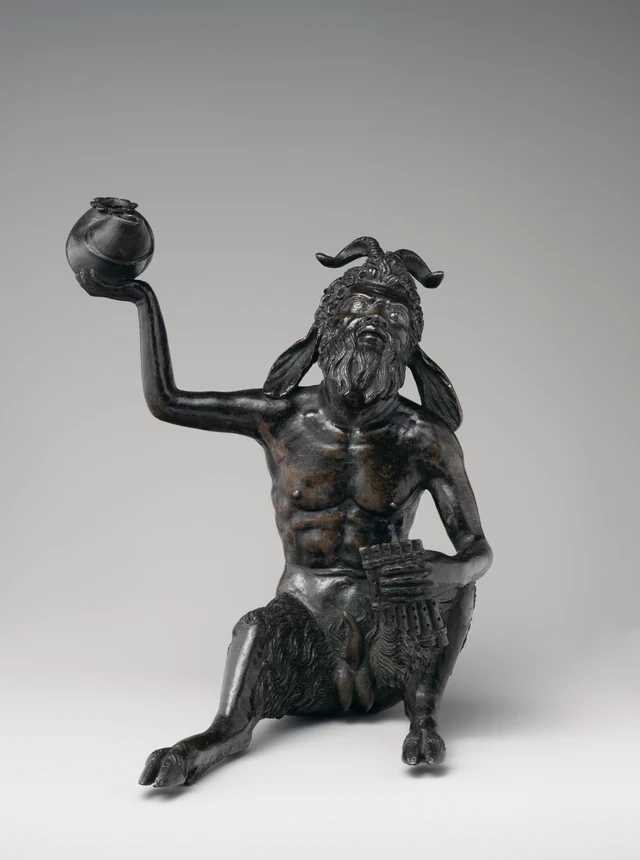
Circle of Andrea Riccio · attribution debated · 1525–1550
His lamp draws our eyes to him and lets us look beyond him. Sculpture and everyday use meet in an open palm.
Read the essay →简 · 繁 · EN · 日本語 · FR · DE · ES · 한국어
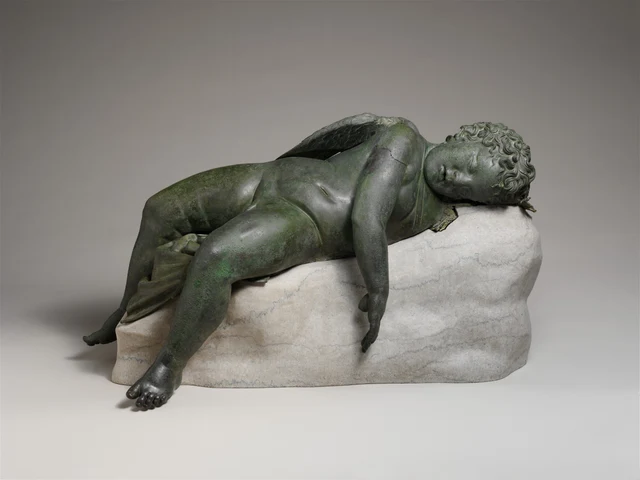
Unknown Greek sculptor · 3rd–2nd century BCE
The wings remain, but the hand has let go. Follow the loose wrist and sleeping body of a god whose power is, for now, at rest.
Read the essay →简 · 繁 · EN · 日本語 · FR · DE · ES · 한국어
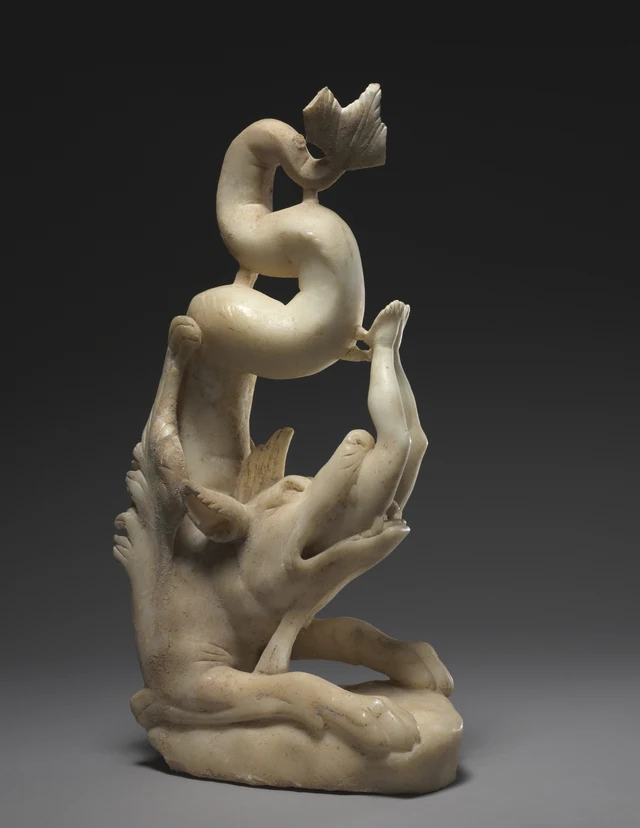
Unknown sculptor · Anatolia · c. 280–290
The monster coils upward as a man disappears into its mouth. How can one suspended moment reveal both danger and beautiful curves?
Read the essay →简 · 繁 · EN · 日本語 · FR · DE · ES · 한국어
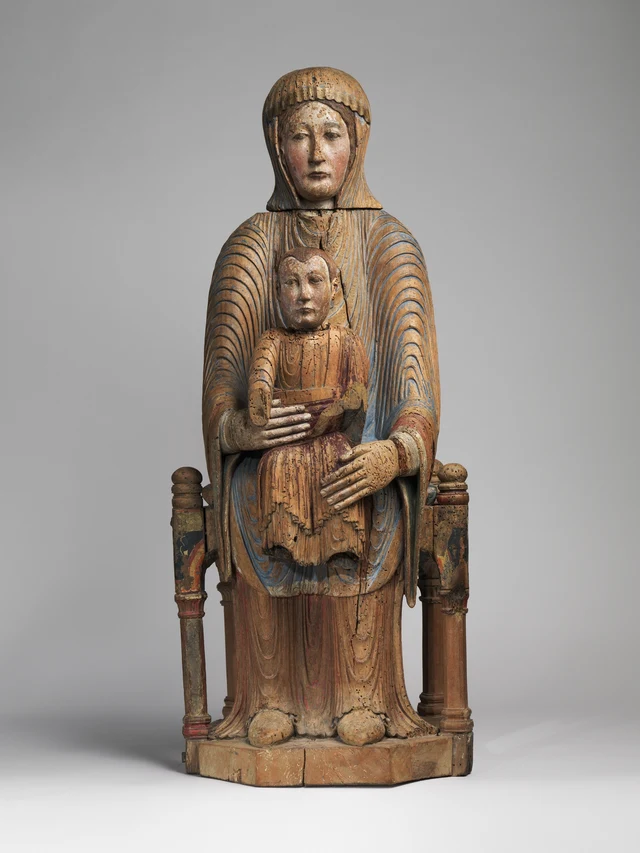
Unknown sculptor · Auvergne · c. 1175–1200
The mother does not disappear behind her child. Her body and hands bring a child who needs support before the public gaze.
Read the essay →简 · 繁 · EN · 日本語 · FR · DE · ES · 한국어
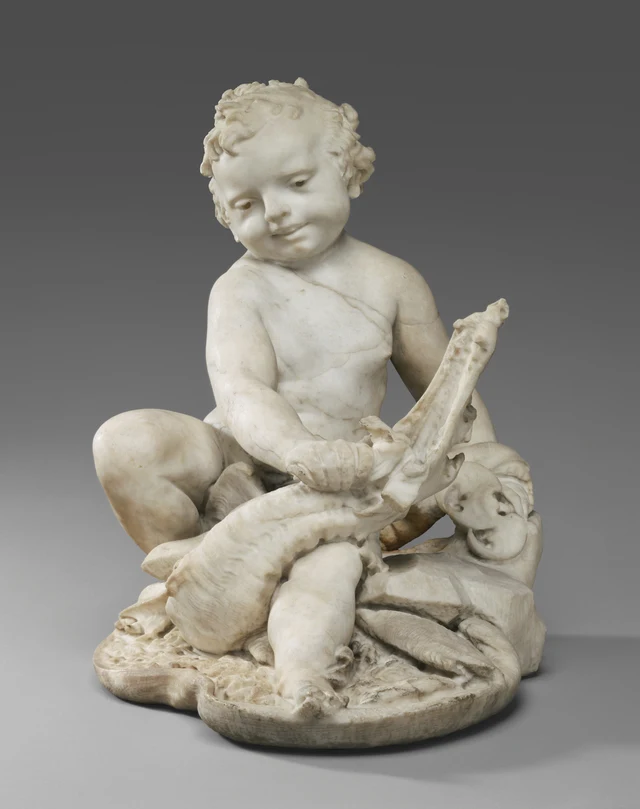
Pietro Bernini and Gian Lorenzo Bernini · c. 1617
Before smiling along with the child, look at his hands. How do an easy smile and a mouth forced open come together?
Read the essay →简 · 繁 · EN · 日本語 · FR · DE · ES · 한국어
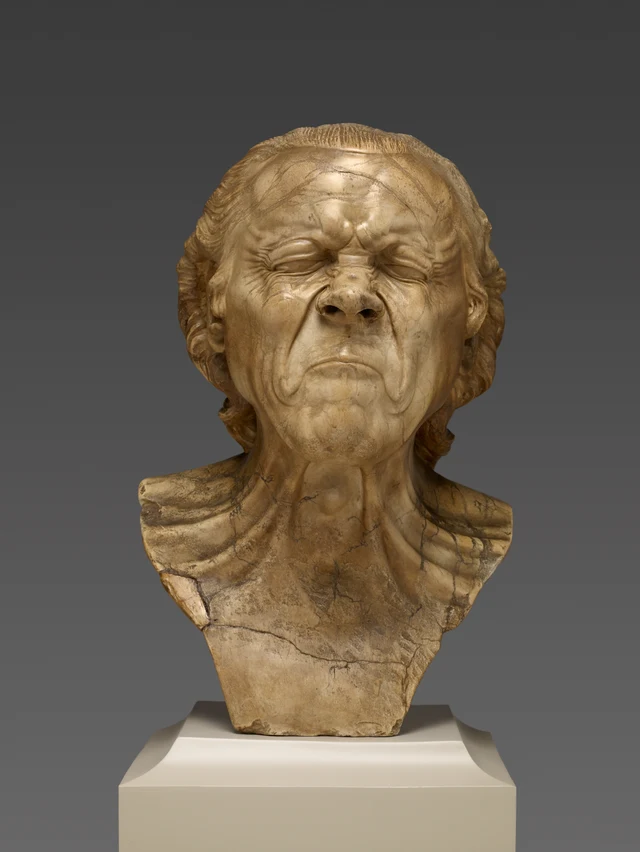
Franz Xaver Messerschmidt · 1771–1783
Eyes shut tight, lips pressed together—but vexation does not explain every fold. Follow the contraction of the face and the veins of the stone.
Read the essay →简 · 繁 · EN · 日本語 · FR · DE · ES · 한국어
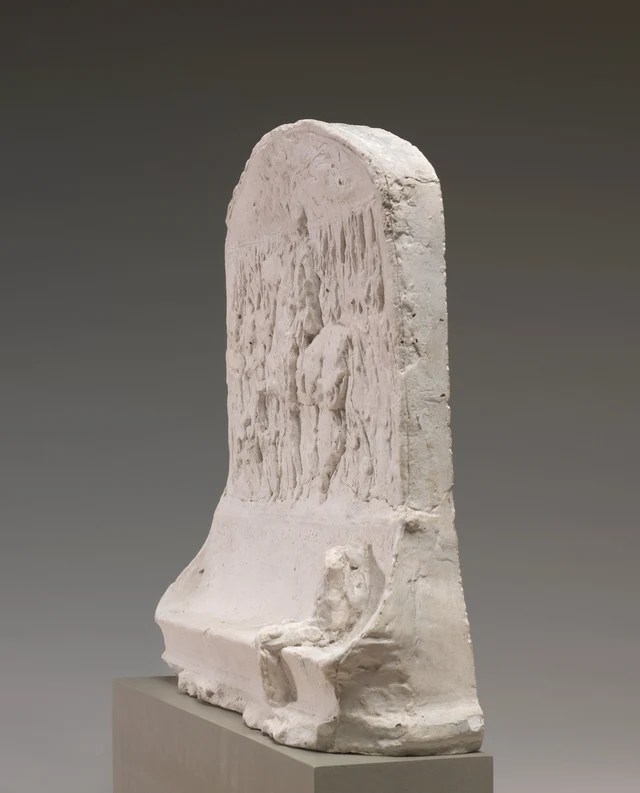
Augustus Saint-Gaudens · 1883
The regiment marches above; a tiny figure sits below. A model for a memorial also makes room for the people who will encounter it.
Read the essay →简 · 繁 · EN · 日本語 · FR · DE · ES · 한국어
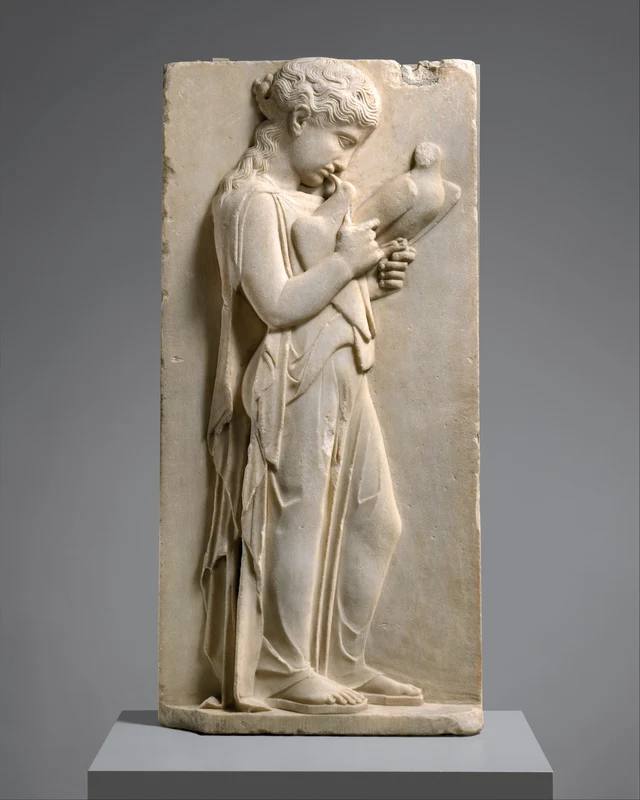
Greek sculptor, name unknown · ca. 450–440 BCE
Hands and birds meet in a quiet field of stone. A girl’s attention becomes part of how she is remembered.
Read the essay →简 · 繁 · EN · 日本語 · FR · DE · ES · 한국어
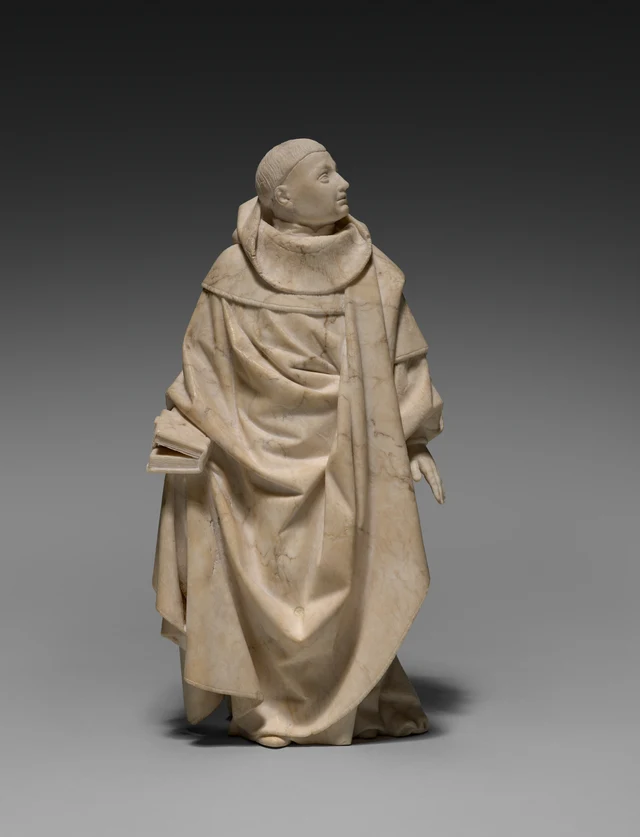
Jean de la Huerta · 1443–1445
The book stays open, but his gaze turns aside. Within a shared ceremony, one mourner has a pause of his own.
Read the essay →简 · 繁 · EN · 日本語 · FR · DE · ES · 한국어
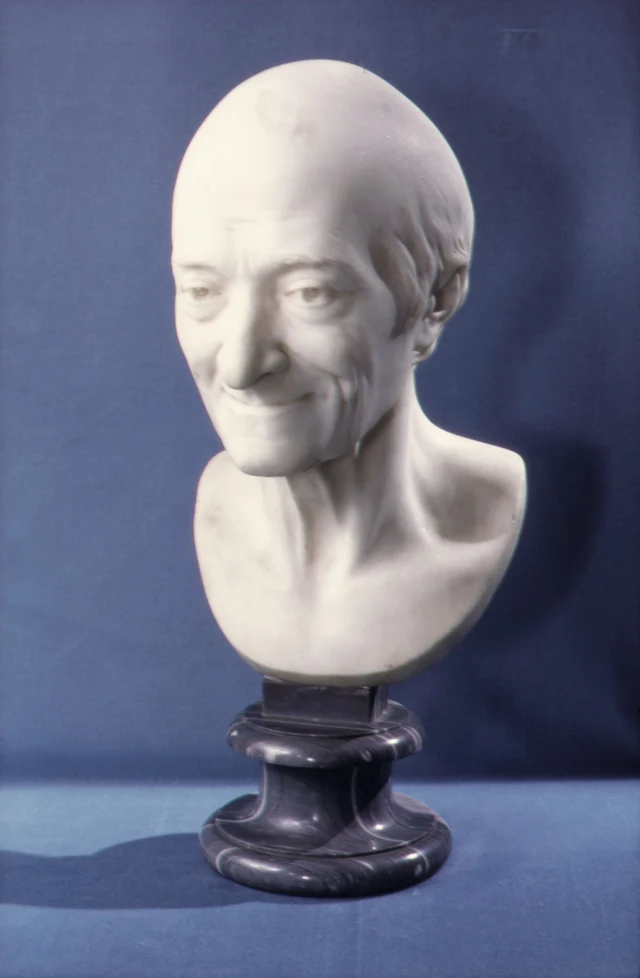
Jean Antoine Houdon · 1778
The mouth, eye sockets and bare shoulders keep a public portrait from settling into a single expression.
Read the essay →简 · 繁 · EN · 日本語 · FR · DE · ES · 한국어
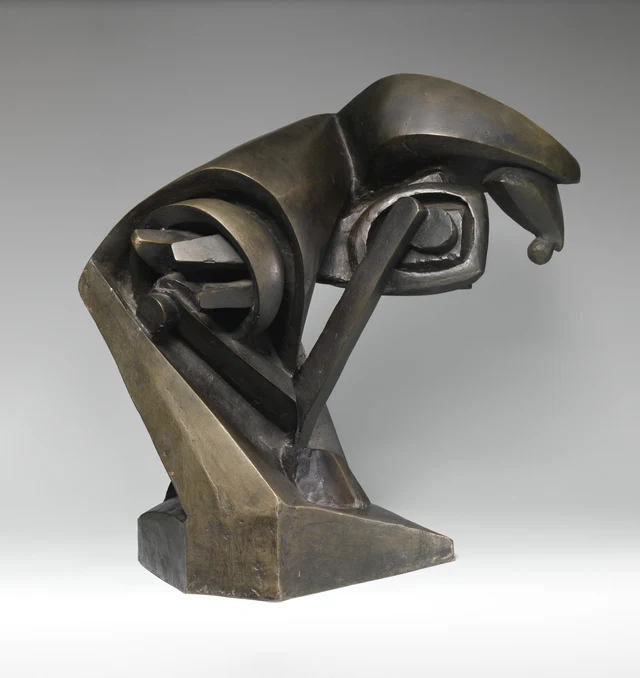
Raymond Duchamp-Villon · 1914
The horse does not run. Rings, rods and curved volumes gather its momentum into less than half a metre of bronze.
Read the essay →简 · 繁 · EN · 日本語 · FR · DE · ES · 한국어
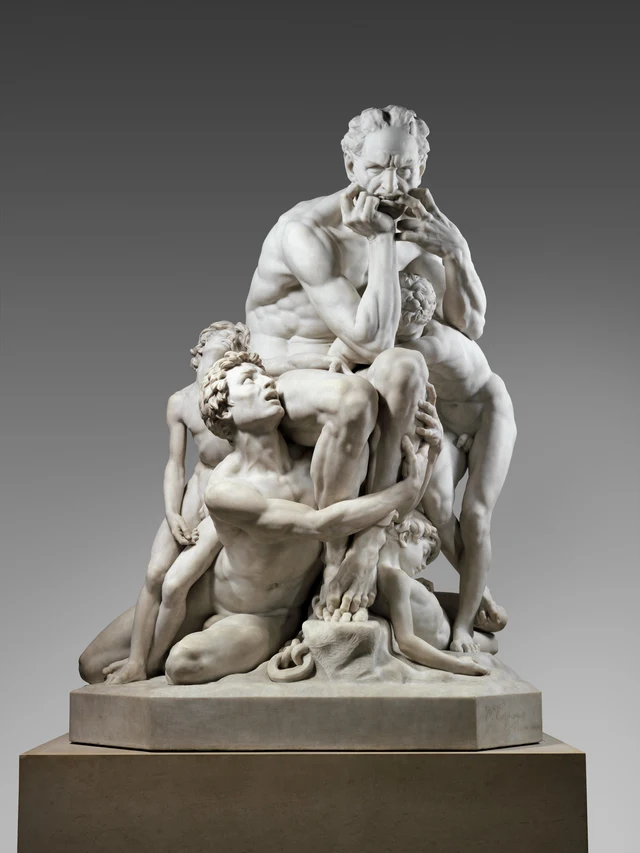
Jean-Baptiste Carpeaux · 1865–1867
The children reach toward their father; his hands stay at his mouth. Bodies are close, but help has not arrived.
Read the essay →简 · 繁 · EN · 日本語 · FR · DE · ES · 한국어
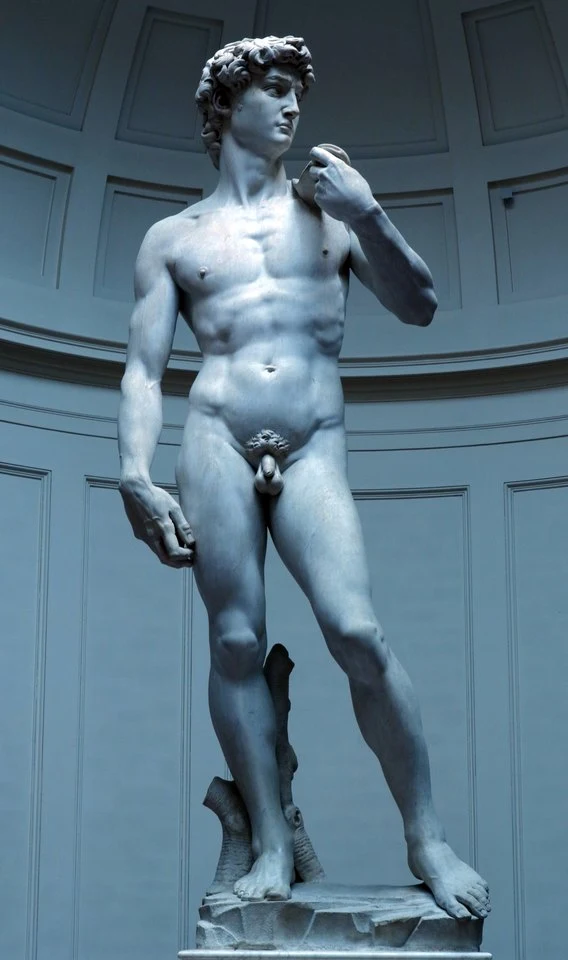
Michelangelo Buonarroti · 1501–1504
A stone not yet thrown, a turned head and a weight-bearing leg make the moment before action visible.
Read the essay →简 · 繁 · EN · 日本語 · FR · DE · ES · 한국어
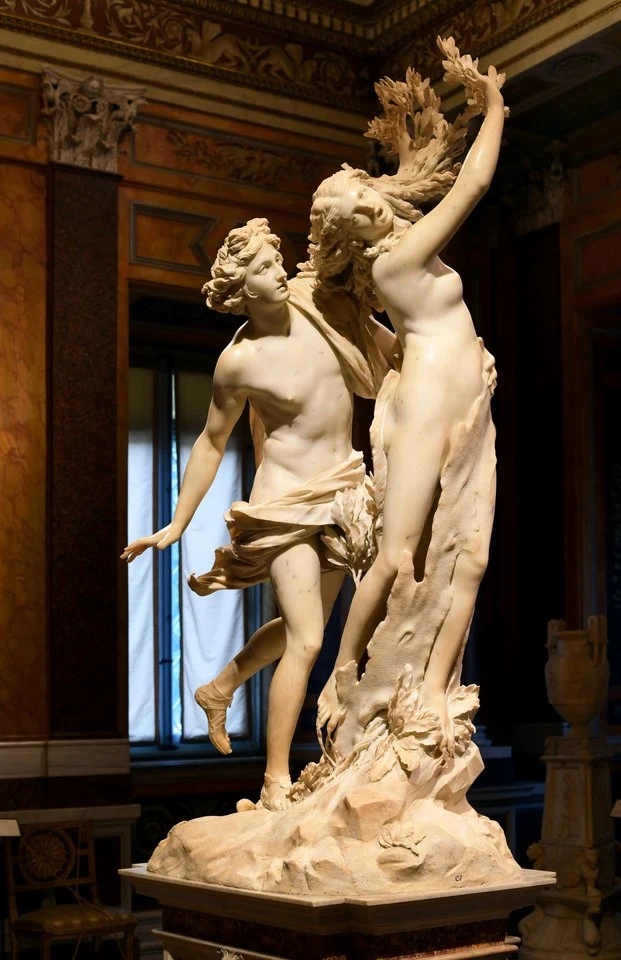
Gian Lorenzo Bernini · 1622–1625
One foot is still airborne; others are becoming roots. Pursuit, arrest and growth take different directions within one marble group.
Read the essay →简 · 繁 · EN · 日本語 · FR · DE · ES · 한국어
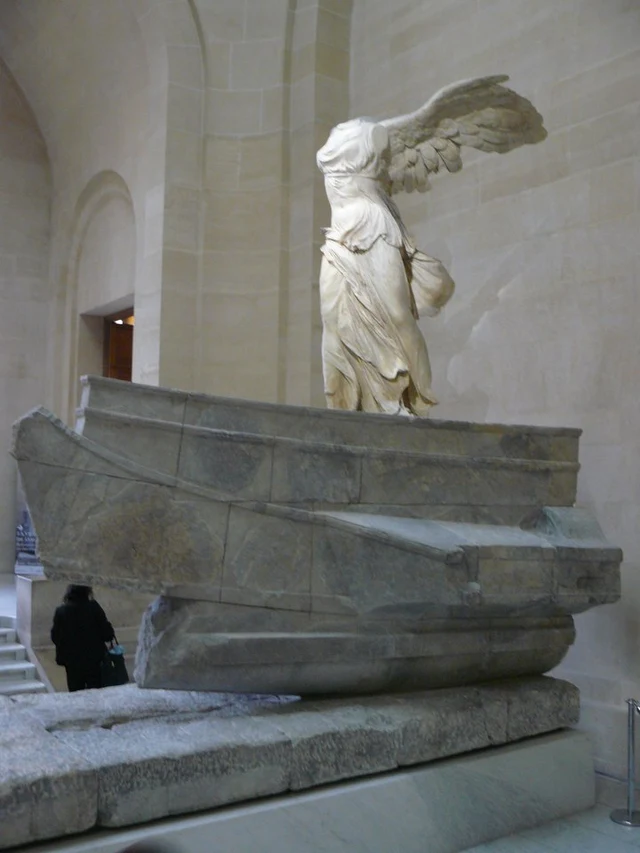
Greek sculptor, name unknown · 200–175 BCE
The wings spread, but the folds do not all travel one way. Wind, body and prow give victory the weight of an arrival.
Read the essay →简 · 繁 · EN · 日本語 · FR · DE · ES · 한국어
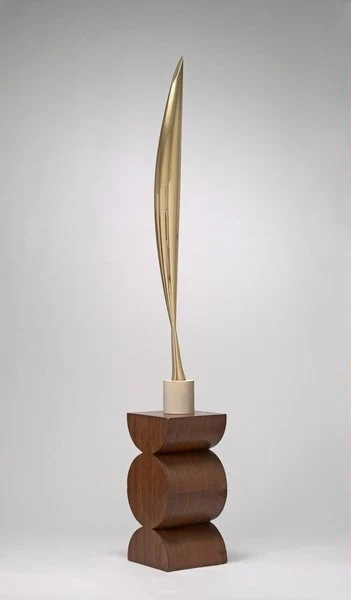
Constantin Brâncuși · 1927
Ascent begins below the golden tip: in the narrow waist, the stone cylinder and the changing widths of the wooden base.
Read the essay →简 · 繁 · EN · 日本語 · FR · DE · ES · 한국어
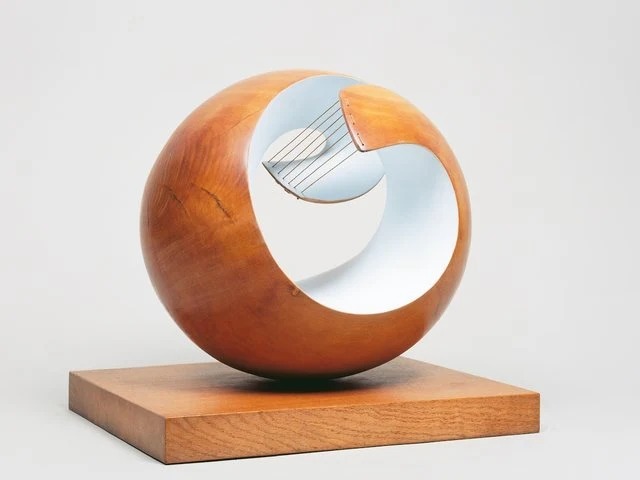
Barbara Hepworth · 1946
Wood curves around; strings cross directly. Pale inner surfaces and real openings bring distance into a small sculpture.
Read the essay →简 · 繁 · EN · 日本語 · FR · DE · ES · 한국어
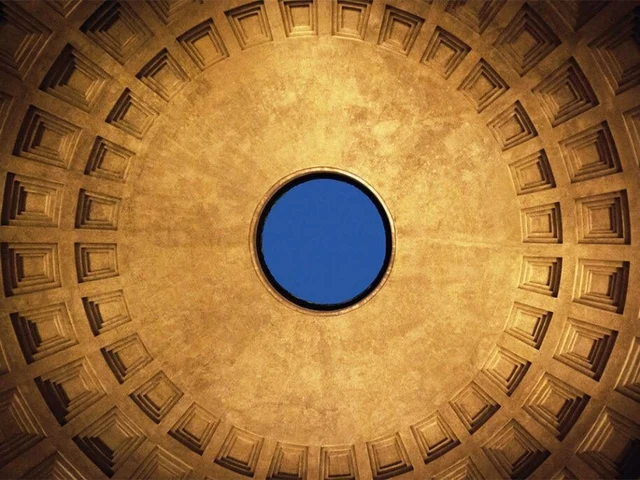
Roman builders · 2nd century CE
There is a circular opening at the centre of the dome. Around it, square recesses spread out in rings; the closer they come to the centre, the more tightly their rows and columns converge.
Read the essay →简 · 繁 · EN · 日本語 · FR · DE · ES · 한국어
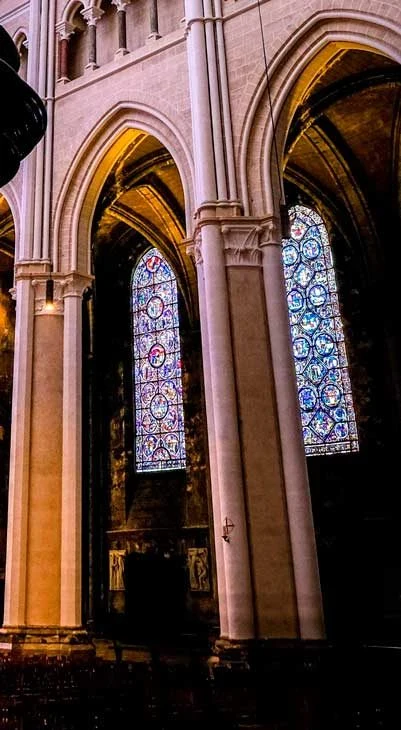
Cathedral builders · 12th–16th centuries
Inside one pointed arch is another. The nearer arch spans between massive piers; beneath the more distant one, stained glass glows out of the darkness.
Read the essay →简 · 繁 · EN · 日本語 · FR · DE · ES · 한국어
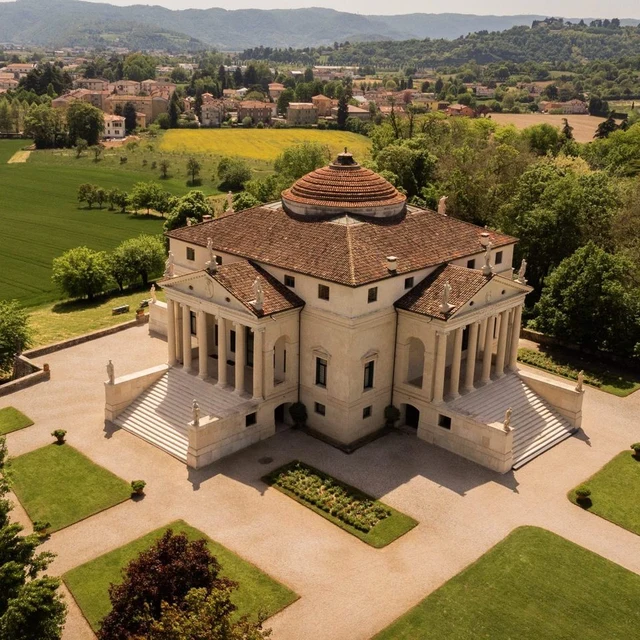
Andrea Palladio · Vincenzo Scamozzi · 1567–1605
Two broad flights of steps descend in different directions, with a corner of the house visible between them.
Read the essay →简 · 繁 · EN · 日本語 · FR · DE · ES · 한국어
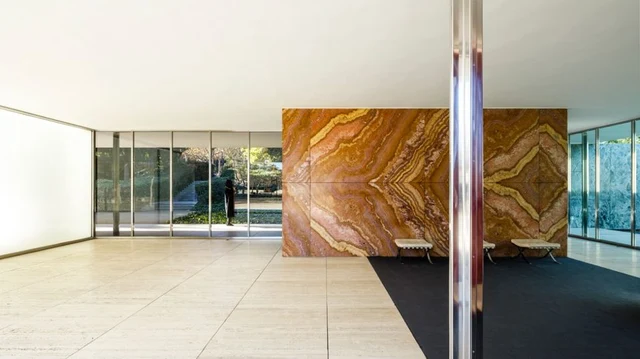
Ludwig Mies van der Rohe · Lilly Reich · 1929 / 1986
A golden-brown stone wall stands beneath a white roof. Neither end meets another solid wall: on the left, trees are visible through glass; on the right, a stretch of green stone appears farther back.
Read the essay →简 · 繁 · EN · 日本語 · FR · DE · ES · 한국어
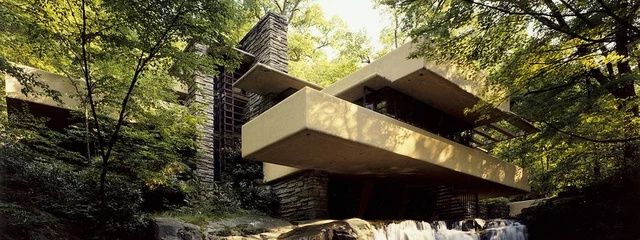
Frank Lloyd Wright · 1935–1939
A long, pale ochre edge reaches out from the trees, turns a corner, and continues to the right.
Read the essay →简 · 繁 · EN · 日本語 · FR · DE · ES · 한국어
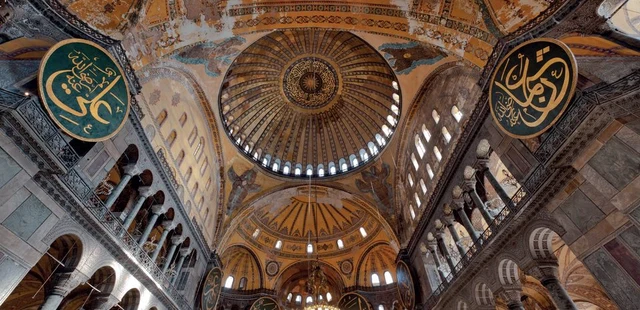
Anthemios of Tralles · Isidoros of Miletos · 532–537 / 562
Begin beneath the central dome, rather than at its summit.
Read the essay →简 · 繁 · EN · 日本語 · FR · DE · ES · 한국어
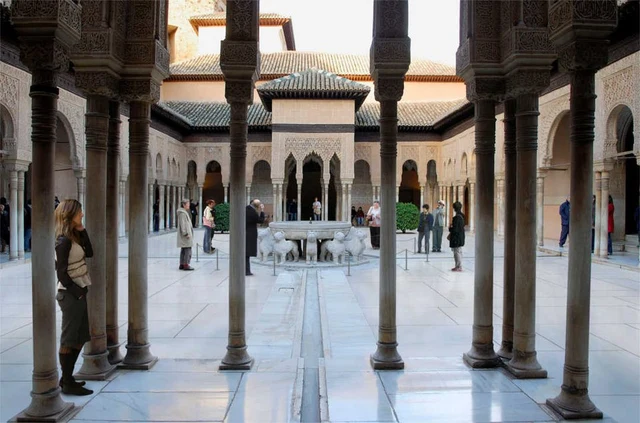
Nasrid court builders · 1362–1391
At the lower edge of the photograph, a narrow water channel passes between two columns and extends toward the Fountain of the Lions in the courtyard.
Read the essay →简 · 繁 · EN · 日本語 · FR · DE · ES · 한국어
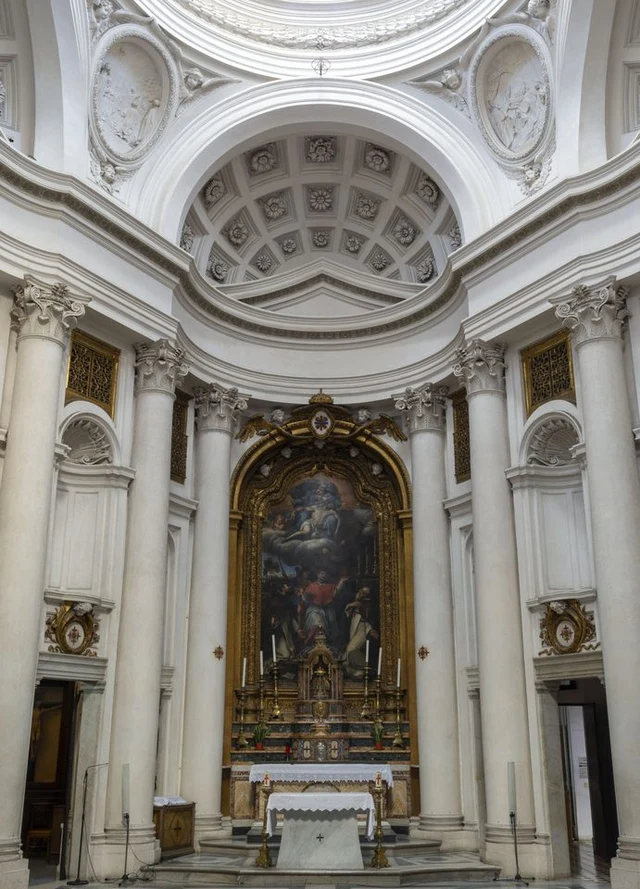
Francesco Borromini · 17th century
Above the golden altar, a broad white band turns along the wall.
Read the essay →简 · 繁 · EN · 日本語 · FR · DE · ES · 한국어
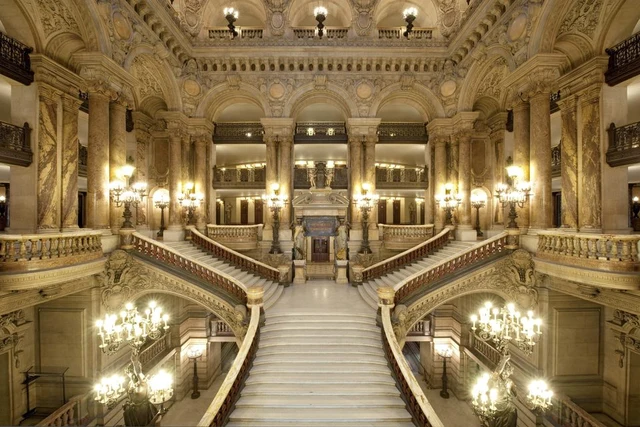
Charles Garnier · 1861–1875
Broad, pale steps rise from the bottom of the image. At the landing, another flight continues upward on either side.
Read the essay →简 · 繁 · EN · 日本語 · FR · DE · ES · 한국어
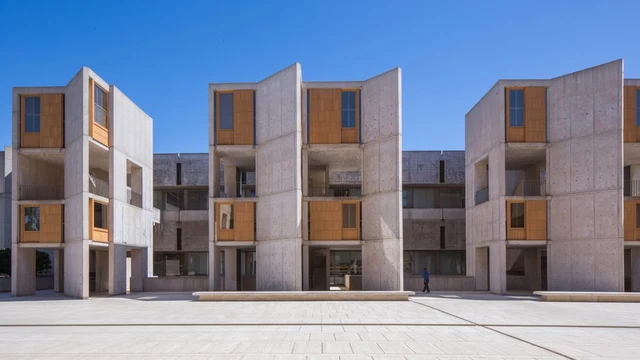
Louis I. Kahn · 1965
In this photograph, the buildings nearest the courtyard do not form a continuous wall.
Read the essay →简 · 繁 · EN · 日本語 · FR · DE · ES · 한국어
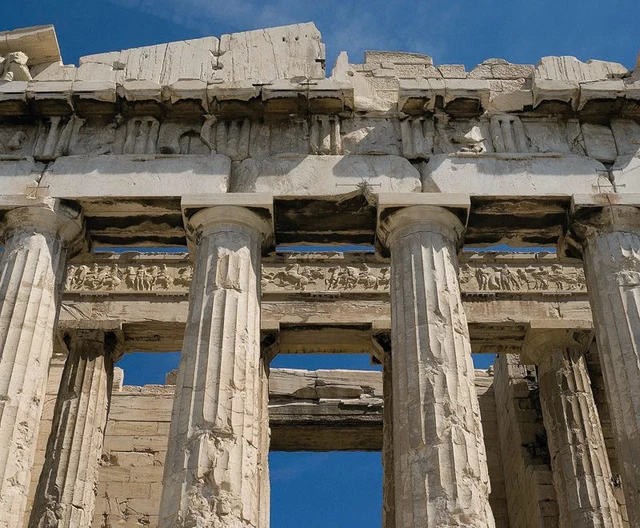
Iktinos · Kallikrates · 447–432 BCE
A small company of people and horses appears between two massive columns.
Read the essay →简 · 繁 · EN · 日本語 · FR · DE · ES · 한국어
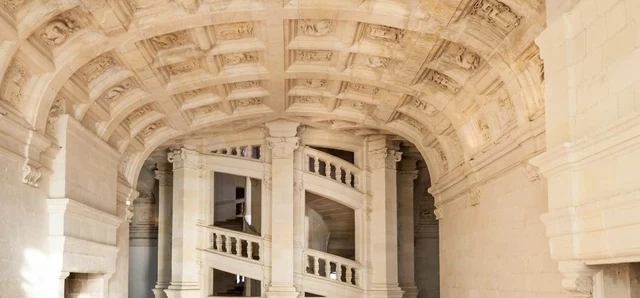
Royal building teams · 1519 onward
Stone columns stand upright, while the balustrades between them wind obliquely past.
Read the essay →简 · 繁 · EN · 日本語 · FR · DE · ES · 한국어
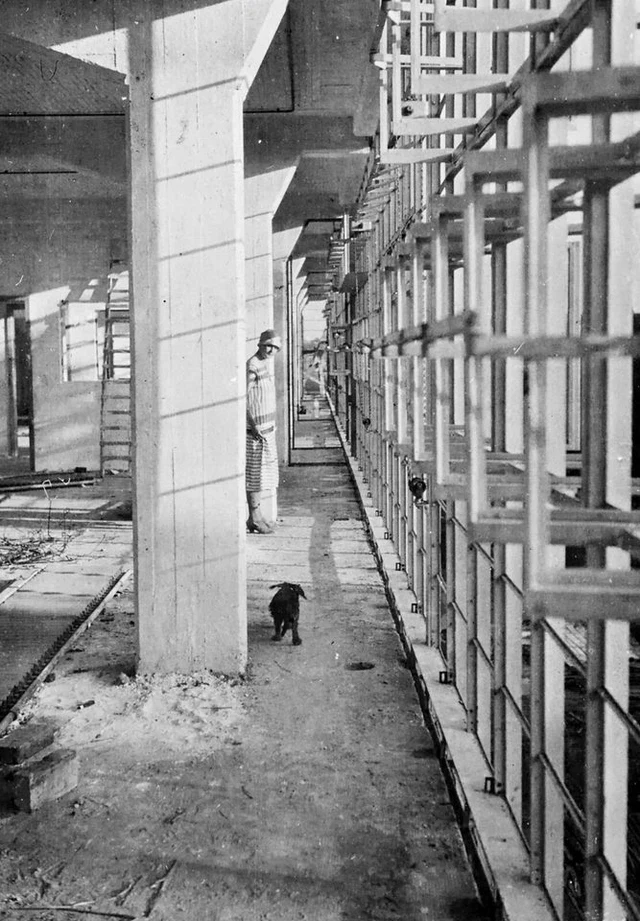
Walter Gropius and his office · 1926
A massive square column occupies the left side of the photograph.
Read the essay →简 · 繁 · EN · 日本語 · FR · DE · ES · 한국어
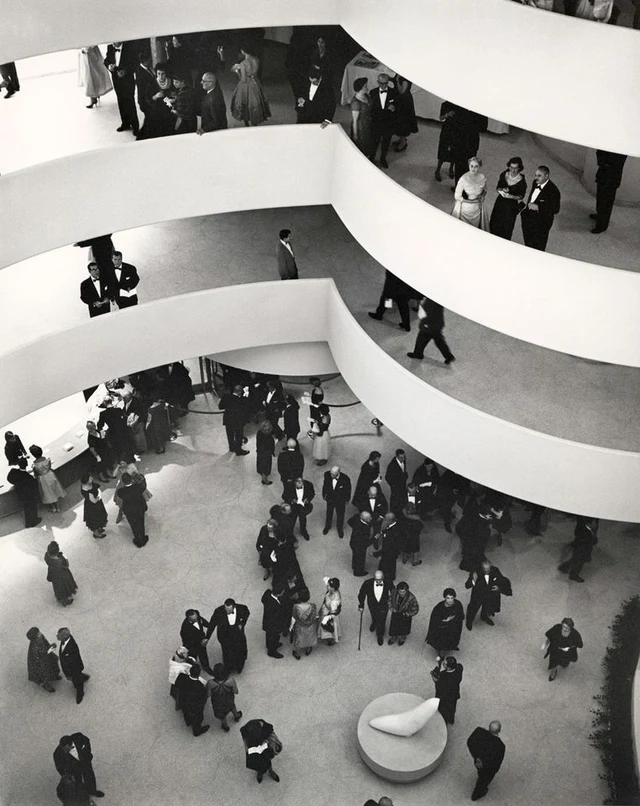
Frank Lloyd Wright · 1959
A white parapet sweeps around and makes a sharp inward turn at the centre of the picture.
Read the essay →简 · 繁 · EN · 日本語 · FR · DE · ES · 한국어
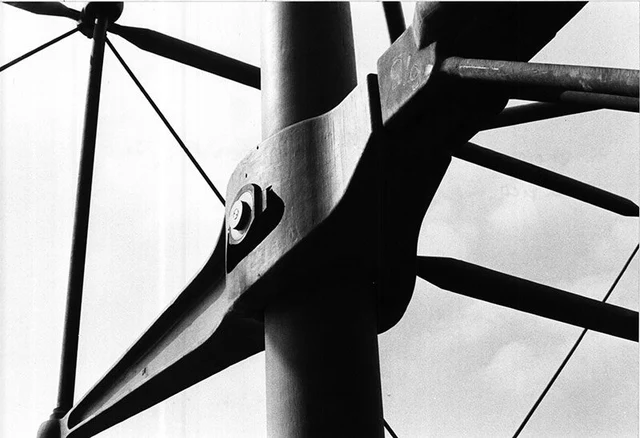
Renzo Piano · Richard Rogers and teams · 1977
Beside a massive round column projects a long, tapering steel arm.
Read the essay →简 · 繁 · EN · 日本語 · FR · DE · ES · 한국어
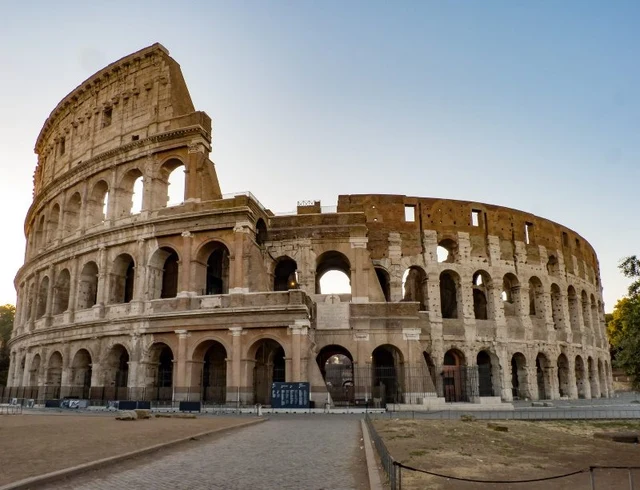
Roman builders · 1st century CE
On the left, three tiers of arches rise beneath a more solid upper wall.
Read the essay →简 · 繁 · EN · 日本語 · FR · DE · ES · 한국어
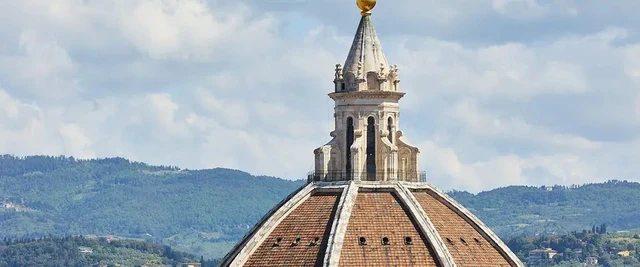
Filippo Brunelleschi · 1420–1436
Red tiles draw inward as they rise from the bottom of the photograph.
Read the essay →简 · 繁 · EN · 日本語 · FR · DE · ES · 한국어
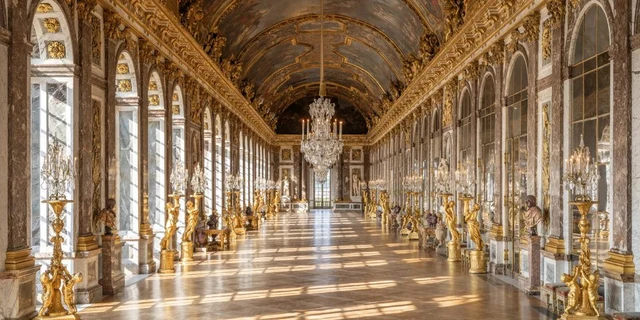
Jules Hardouin-Mansart · Charles Le Brun · 1678–1684
A row of tall windows recedes on the left. Sunlight passes through their divisions, laying long diagonal strips of brightness and shade across the wooden floor.
Read the essay →简 · 繁 · EN · 日本語 · FR · DE · ES · 한국어
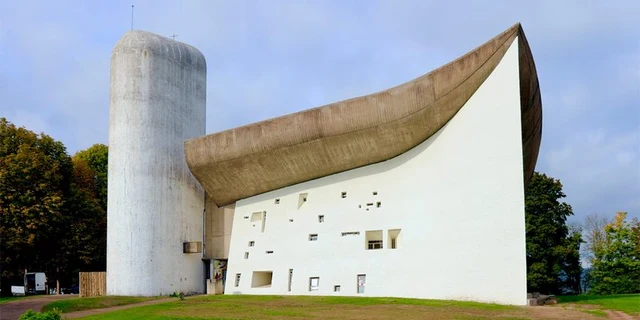
Le Corbusier · 1950–1955
Openings of different sizes are scattered across a white wall.
Read the essay →简 · 繁 · EN · 日本語 · FR · DE · ES · 한국어
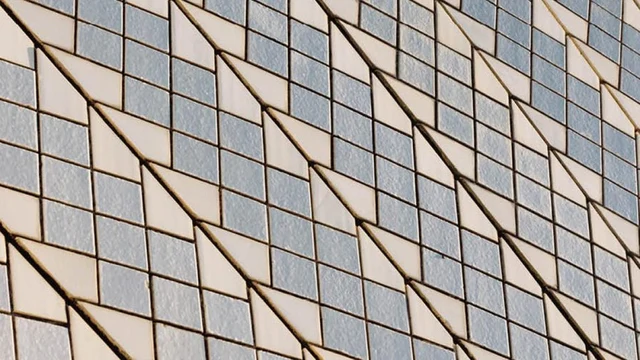
Jørn Utzon · Peter Hall and teams · 1957–1973
There is no harbour in this photograph, and none of the familiar white peaks.
Read the essay →简 · 繁 · EN · 日本語 · FR · DE · ES · 한국어